

Remodeling Mistakes That Cost Bay Area Homeowners Thousands
Remodeling your home is a major investment, and the decisions you make before construction begins can have a lasting impact on the project's success.
While every remodel comes with unique challenges, many of the most expensive problems are entirely preventable.
Whether you’re remodeling a kitchen, renovating a bathroom, building an ADU, or completing a full home remodel, understanding the most common remodeling mistakes can help you avoid unnecessary costs, delays, and frustration.
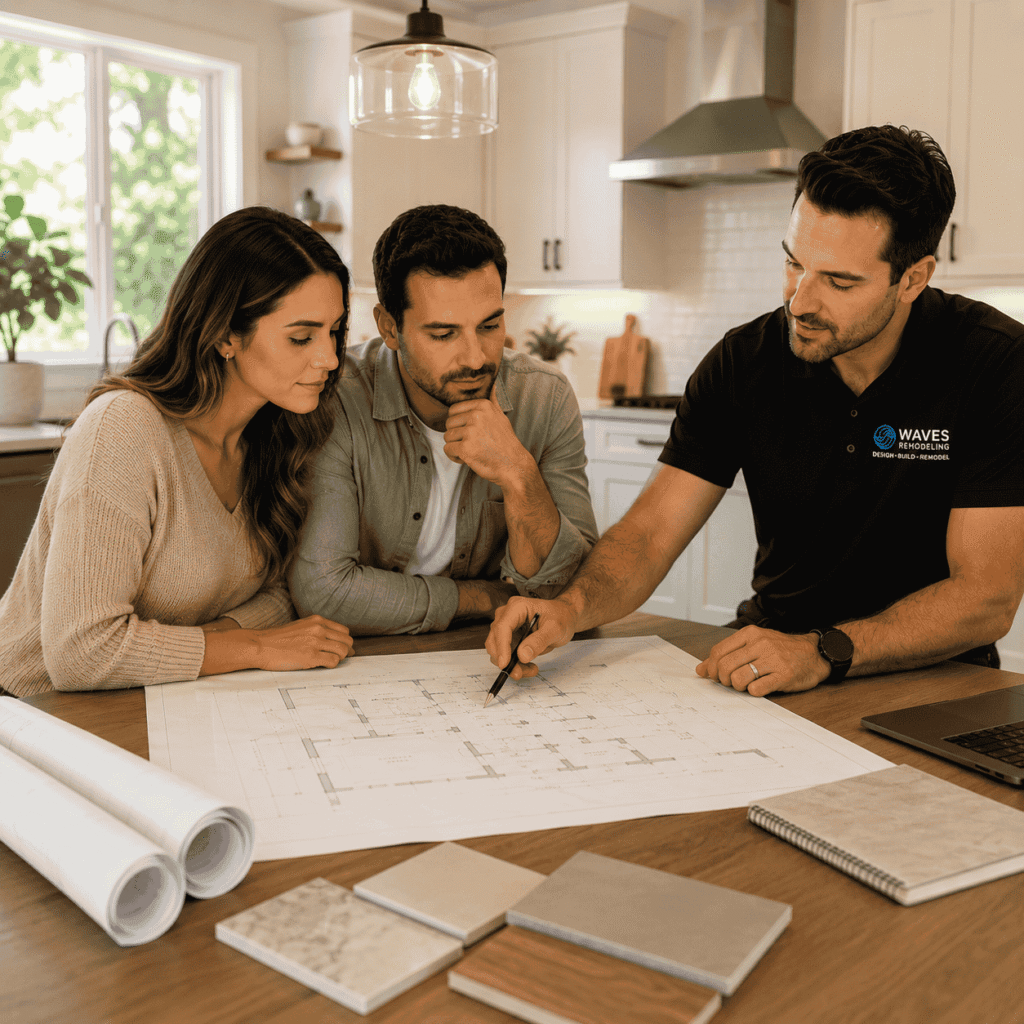
Why Planning Matters
Successful remodeling projects don’t begin with demolition—they begin with careful preparation.
Defining your goals, setting a realistic budget, selecting materials early, and choosing the right contractor all contribute to a smoother construction process. Rushing these decisions, however, often leads to unexpected costs and schedule delays.
Let’s look at some of the most common remodeling mistakes Bay Area homeowners make and how to avoid them.
Choosing the Lowest Bid

It’s natural to compare estimates when planning a remodel. However, choosing the lowest price isn’t always the best value.
A significantly lower proposal may leave out important items such as:
· Permit fees
· Engineering
· Structural work
· Project management
· Finish materials
· Cleanup and debris removal
A lower price today can sometimes result in expensive change orders later if important work wasn’t included in the original proposal.
Rather than comparing price alone, evaluate the scope of work, materials, timeline, and overall project management offered by each contractor.
A detailed proposal minimizes misunderstandings and clearly defines what is included in the project before construction begins.
Skipping Permits
Some homeowners assume permits are optional because they believe they will save time or money.
In reality, permits protect both the homeowner and the property by ensuring work complies with current building codes.
Projects that often require permits include:
· Kitchen remodels
· Bathroom renovations
· Electrical upgrades
· Plumbing relocation
· Structural changes
· Home additions
· ADUs
Skipping permits may lead to:
· Failed inspections
· Costly corrections
· Insurance complications
· Delays when selling the home
Before construction begins, homeowners should understand which permits are required and when inspections will take place. Addressing permitting requirements early helps prevent delays later in the project.
Setting an Unrealistic Budget
One of the biggest remodeling mistakes homeowners make is underestimating the total cost of construction.
Many budgets account only for visible finishes while overlooking items such as:
· Permit fees
· Design and engineering
· Demolition
· Electrical upgrades
· Plumbing work
· Structural improvements
· Unexpected repairs
Older Bay Area homes frequently reveal hidden conditions once demolition begins.
Common discoveries include:
· Water damage
· Dry rot
· Outdated electrical wiring
· Plumbing leaks
· Previous unpermitted work
For this reason, many remodeling professionals recommend setting aside a contingency budget of 10–20% to cover unforeseen conditions.
Changing Plans During Construction
Making changes after construction has started is one of the fastest ways to increase costs and extend the project schedule.
While some adjustments are unavoidable, major revisions often require:
· Updated drawings
· Additional labor
· New material orders
· Inspection changes
· Schedule revisions
Examples include:
· Moving plumbing fixtures
· Changing cabinet layouts
· Relocating walls
· Selecting different finishes after installation has begun
Whenever possible, finalize design decisions and material selections before demolition begins. This allows construction to move forward more efficiently and reduces the likelihood of costly delays.
Ordering Materials Too Late
Material lead times have become an important part of every remodeling project.
Products such as:
· Custom cabinetry
· Windows
· Doors
· Specialty tile
· Plumbing fixtures
· Appliances
may require several weeks—or even months—to arrive.
If these materials aren’t available when installers are scheduled, construction may pause until products arrive.
Ordering key materials early reduces scheduling conflicts and allows construction to continue without unnecessary interruptions.
Hiring an Unlicensed Contractor
Hiring an unlicensed contractor may appear to save money initially, but it can create significant financial and legal risks.
Licensed contractors must meet California licensing requirements and are expected to follow applicable building codes and regulations.
Before hiring a contractor, verify:
· California contractor license
· General liability insurance
· Workers’ compensation insurance (when applicable)
· Experience with projects similar to yours
You can also verify contractor licenses through the California Contractors State License Board (CSLB).
Not Reviewing the Contract Carefully
A remodeling contract should clearly define what is and is not included in the project.
Before signing, review:
· Project scope
· Materials
· Payment schedule
· Estimated timeline
· Permit responsibilities
· Warranty information
· Change order procedures
Don’t hesitate to ask questions if anything is unclear. A detailed contract protects both the homeowner and the contractor while helping prevent misunderstandings during construction.
Failing to Check References and Reviews
One of the easiest ways to evaluate a remodeling contractor is by reviewing previous work and reading client testimonials.
Look for reviews that mention:
· Communication
· Workmanship
· Organization
· Cleanliness
· Budget management
· Overall experience
Completed projects can also help you determine whether a contractor’s design style and workmanship align with your expectations.
See our client experiences: https://wavesremodelingca.com/testimonials/
Focusing Only on Appearance
While attractive finishes often get the most attention, the quality of the work behind the walls has a greater impact on your home’s long-term performance.
A successful remodel should also include:
· Proper waterproofing
· Structural integrity
· Electrical safety
· Plumbing performance
· Energy efficiency
· Long-term durability
Investing in quality construction behind the finished surfaces often prevents expensive repairs in the future.

Avoiding Costly Surprises
Most costly remodeling mistakes are avoidable. Taking the time to choose the right contractor, understanding the scope of work, establishing a realistic budget, and making important decisions before construction begins can help your project stay on schedule and within budget.
Whether you’re planning a kitchen remodel, bathroom renovation, ADU, addition, or full home remodel, making informed decisions early creates a smoother remodeling experience and reduces the likelihood of unexpected costs or delays.
Learn more about our remodeling services: https://www.wavesremodelingca.com
Learn more about our ADU services: https://www.wavesremodelingca.com/adu
Ready to discuss your project? https://www.wavesremodelingca.com/contact-us
Waves Remodeling is a Diamond Certified, BBB Accredited, Licensed, Bonded & Insured Bay Area construction and remodeling company specializing in kitchen remodels, bathroom renovations, ADUs, additions, and full home transformations. Our team is committed to transparent communication, organized project management, and delivering lasting value for homeowners throughout the Bay Area.
More Remodeling Insights

General Contractor vs. Subcontractor
You sign one contract with a general contractor. That firm then signs its own contracts with an electrician, a plumber, a tile setter, and…
Read More
What Is a General Contractor?
A general contractor is the licensed company that contracts for your entire project, hires and schedules the trades, pulls the permits, and answers for…
Read More
Renovate or Move? A Bay Area Homeowner’s Guide to Deciding
Should you renovate your Bay Area home or move? Compare remodeling costs, property taxes, mortgage rates, home prices, and other key factors.
Read More