Waves Remodeling

ADU Builders in the Bay Area

Detached units, garage conversions, attached additions, and JADUs, designed and built by one licensed team.

We're a family-owned design-build contractor in Sunnyvale, and we handle every phase of ADU construction: design, city permits, and the build itself, under one contract. Licensed, bonded, and insured under CSLB #1068557. Before a single material gets ordered, you'll walk the finished unit as a rendering.

What Is an ADU?

An accessory dwelling unit is a second, self-contained home on the same lot as your main house, with its own kitchen, bathroom, and entrance. Backyard home, in-law unit, casita, granny flat: all the same thing.

Bay Area homeowners build them for rental income, for a parent or grown kid who wants a front door of their own, and for what a legal second unit does to an appraisal. Approval is ministerial under state law, so there's no hearing and no neighbor sign-off.
Types of ADUs We Build

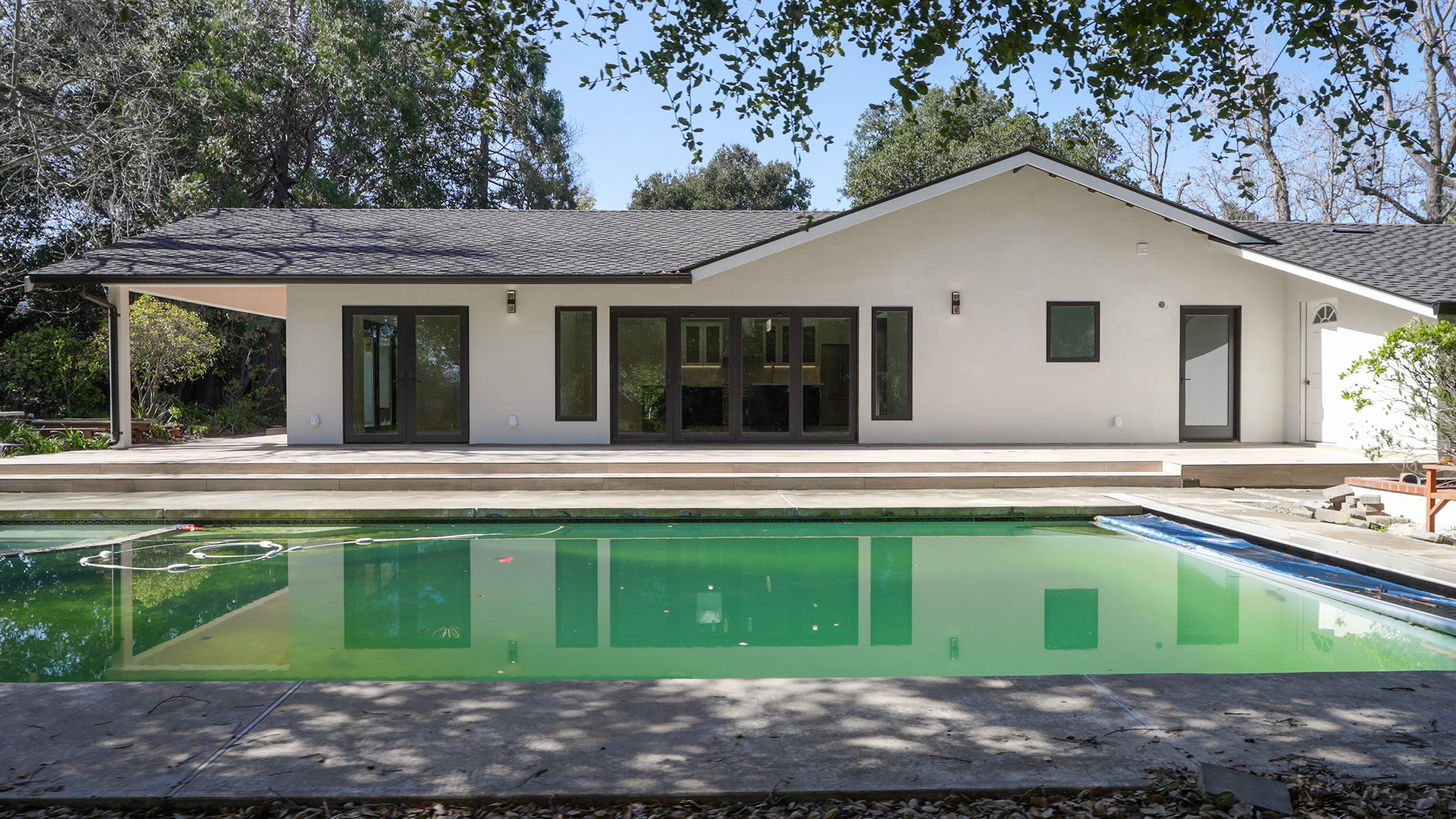
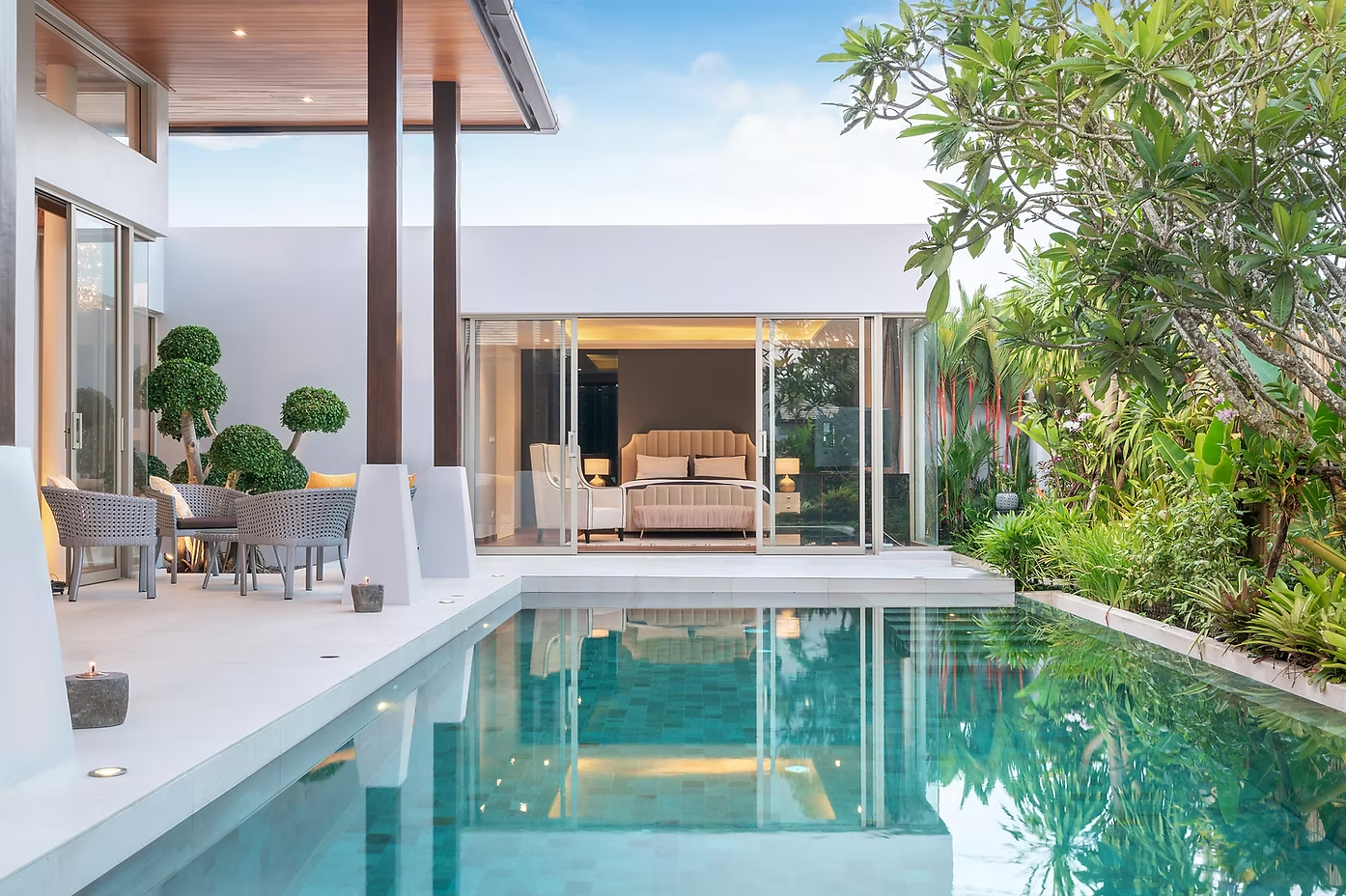
Detached ADUs

A separate building in the backyard, no shared walls, and the most privacy of the four. Most Bay Area cities allow up to 1,000 or 1,200 square feet of interior livable space, and none may cap you below 850 for a studio or one-bedroom.

Attached ADUs

A new wing on the house with its own entrance, kitchen, and bath, cheaper than detached since you share a wall and a utility run. Capped at half your home's floor area, with 800 square feet protected regardless.

Garage Conversion ADUs

Your existing garage becomes the unit. Slab, walls, and roof already stand, which makes this the cheapest route to a legal second home on most lots.

Junior ADUs (JADUs)

One per lot, up to 500 square feet, inside the walls of your existing house. An attached garage counts; a detached one doesn't. Since January 2026, a JADU sharing a bathroom with the main house requires an owner on site, and its own bathroom drops that requirement.

Our ADU Construction Process

Free Consultation and Site Assessment

We walk the lot and work out what it carries setbacks, where the unit can sit, how far your sewer lateral and panel will stretch, equipment access to the back. You leave with a budget range and a feasibility answer.

Design and Planning

Floor plans drawn for your lot and your number, not pulled from a catalog. Layout, materials, and fixtures all get settled at this stage, when changing them costs nothing.

Permits and Approvals

We assemble and file the full submittal, including the pieces that catch people out — San Jose wants a flow-data letter from your water company. Then we track review and answer corrections.

Construction

Licensed crews, a written schedule, and a site swept at the end of the day. Utility connections, inspections, and code compliance sit with us.

Final Inspection and Handover

The city signs off and issues the certificate of occupancy. We walk the finished unit with you, note every item that falls short, and correct it. The city signs off and issues the certificate of occupancy. We walk the finished unit with you, note every item that falls short, and correct it. Our workmanship warranty runs for one year from final completion.

How Much Does an ADU Cost in the Bay Area?

Detached new construction runs $350 to $500 per square foot across the region in 2026. Garage conversions land near $250 to $380, attached additions between the two. Design, engineering, and permits add 10 to 15 percent on top.

Site conditions, utility work, and finish level move the rest. Finishes alone can swing a small unit by $50,000.

An ADU of 750 square feet or less pays no impact fees, and a JADU at 500 or less pays none either. Under 500 square feet, school fees drop too. A new detached build carries a solar requirement that a conversion doesn't, and if your house has no fire sprinklers, your ADU won't need them.

Most clients fund with a HELOC or a cash-out refinance. The CalHFA grant that covered up to $40,000 in predevelopment costs has run out. Book a site visit and we'll put itemized numbers against your lot, free and with nothing owed.

How Long Does It Take to Build an ADU?

Design and engineering take one to three months. State law then gives your city 60 days to approve or deny a complete application, and 15 business days to say if it's complete at all; miss that second deadline and it counts as complete by default. Construction runs two to three months for a garage conversion, four to seven for a detached build.

Sixty days is a ceiling on a complete submittal, not a promise about your first one. We file complete packages, which keeps the correction cycle short, and where a city's pre-approved plan program fits your lot, we'll point you at it.

ADU Permits and California Rules in 2026

Approval is ministerial no public hearing, no design review board, no neighbor sign-off. ADUs are exempt from CEQA.

  • No city may impose a minimum lot size.
  • Setbacks stop at four feet side and rear. Conversions need none.
  • Parking can't be required within a half-mile walk of public transit, and six other exemptions apply. Converting a garage never triggers replacement parking.
  • Owner-occupancy can't be required for an ADU, JADUs excepted.
  • CC&Rs banning ADUs are void and unenforceable, so an HOA can't stop you.
  • Only objective standards apply. Neighborhood compatibility and design harmony aren't grounds for denial.

Filing the package and carrying it through review is our job, in every city we serve.

ADU or Room Addition: Which One Fits?

An addition grows your house more bedrooms, a bigger kitchen, a second story, all under one roof and on one meter. An ADU is a separate legal dwelling with its own kitchen, bath, and entrance, and it can be rented. An addition can't.

Choose an addition when the space has to connect to daily life, an ADU for rental income or a relative who needs independence. Permitting favors the ADU, since additions face discretionary review in most cities. We build both, and here's how room additions work.

Garage Conversion ADUs in the Bay Area

Slab, walls, roof, and usually a power run already stand, which puts conversions well under new construction per square foot and months shorter. A two-car garage yields roughly 400 to 500 square feet: a comfortable one-bedroom, a suite for a parent, or a home office.

A conversion adds insulation to current energy standards, heating, egress windows in any sleeping room, code ceiling height, and moisture protection at the slab. Older detached garages sometimes need framing reinforcement or slab repair first.

A failing slab, a roof at the wrong pitch, or a structure too close to the property line for fire separation changes the math. We'll tell you which one you have before you spend on drawings.

Why Bay Area Homeowners Hire Us

Four reasons homeowners pick us over a general contractor plus a separate designer.

Written, Itemized Pricing

Your estimate breaks out construction, materials, and installation line by line before work starts. California caps deposits on a home improvement contract at ten percent or one thousand dollars, whichever is smaller. Payments after that follow milestones in your agreement.

Design and Build Under One Contract

Design and construction sit in the same company, so there's no architect to retain separately and no handoff between firms. One contract, one number for the life of the build.

Permit Work in the Cities We Serve

We file in Santa Clara and San Mateo county cities every week, and each has its quirks. Santa Clara routes panel upgrades through Silicon Valley Power. San Jose wants a water-flow letter. Mountain View charges $1,250 to check a pre-approved plan.

Licensed, Bonded and Insured

Family-owned since 2020, licensed as a Class B general building contractor under CSLB #1068557. California requires a license on any home improvement job above one thousand dollars in labor and materials. Look ours up, and check every other bidder the same way.

ADU Construction Across the Bay Area

We build out of Sunnyvale, covering the South Bay and the Peninsula, across to Fremont and Hayward, and north to San Francisco. San Jose, Santa Clara, Mountain View, and Santa Clara County all run pre-approved plan programs that cut review time.

Areas served

San Jose · Santa Clara · Sunnyvale · Cupertino · Campbell · Milpitas · Los Gatos · Saratoga · Mountain View · Los Altos · Palo Alto · Menlo Park · Atherton · Woodside · Portola Valley · Redwood City · San Carlos · San Mateo · Burlingame · Fremont · Newark · Hayward · San Francisco

Custom vs Prefab ADUs

Prefab builds the unit in a factory to a fixed design, which shortens the schedule and settles the price early. It doesn't skip site work: foundation, utilities, permits, and room for a crane.

You take the plan as it comes. A narrow lot, a slope, a mature oak in the wrong place, or a house you want the unit to match will all fight a fixed footprint. San Jose's expedited review also covers a pre-approved plan only as approved, so modifying one drops the project back into standard permitting.

We build custom, drawing the unit for your lot. If prefab or a stock plan suits your property better, we'll say so during the consultation.

Is an ADU a Good Investment?

On most Bay Area lots, yes.

• Rental income. A one-bedroom in Santa Clara County commands thousands a month. Rent on a conversion runs close to rent on a new build, at roughly half the construction cost.

• Resale value. A permitted second unit shows on an appraisal. San Jose's July 2024 ordinance goes further and lets owners sell an ADU separately as a condominium, still the only city we build in that allows it.

• Flexibility. Housing for a parent now, a rental in five years, a workspace after that.

Frequently Asked Questions

How Many ADUs Can I Build on One Lot?

A single-family lot must be allowed one ADU converted from existing space, one JADU inside the house, and one newly built detached ADU. Lots with an existing multifamily building support up to eight detached units, capped at the unit count already there.

Can I Rent My ADU on Airbnb?

No. Cities may require rental terms longer than 30 days, and most here do. JADUs are barred from short-term rental under state law.

Will an ADU Raise My Property Taxes?

Yes. The county assesses the new unit at market value and adds it to your bill. Your existing home keeps its Proposition 13 base year value, so the main house isn't reassessed.

Can I Build a Two-Story ADU?

Usually. Detached ADUs get 16 feet of height, or 18 within half a mile of a major transit stop or high-quality transit corridor, plus two feet to match your roof pitch. Cities must allow two stories where height and building code permit.

Can You Legalize an ADU That's Already Standing?

In most cases. A unit built without permits before January 1, 2020 can't be denied for violating building standards or ADU rules, though cities keep the right to deny where a correction protects health and safety. We inspect first.

What Happens If the City Denies My Application?

The city owes you a written list of every defect and how to fix it, from all reviewers, inside the 60-day window. Resubmitting restarts the clock. Appeals get a final written determination within 60 business days.

Start Your ADU Project in the Bay Area

We design and build custom ADUs across the Bay Area, from the first walk of your backyard to the city's final sign-off. Call +1 (408) 539-1094 or book a free consultation, and we'll tell you what's possible on your lot.

+1 (408) 539-1094 Schedule