
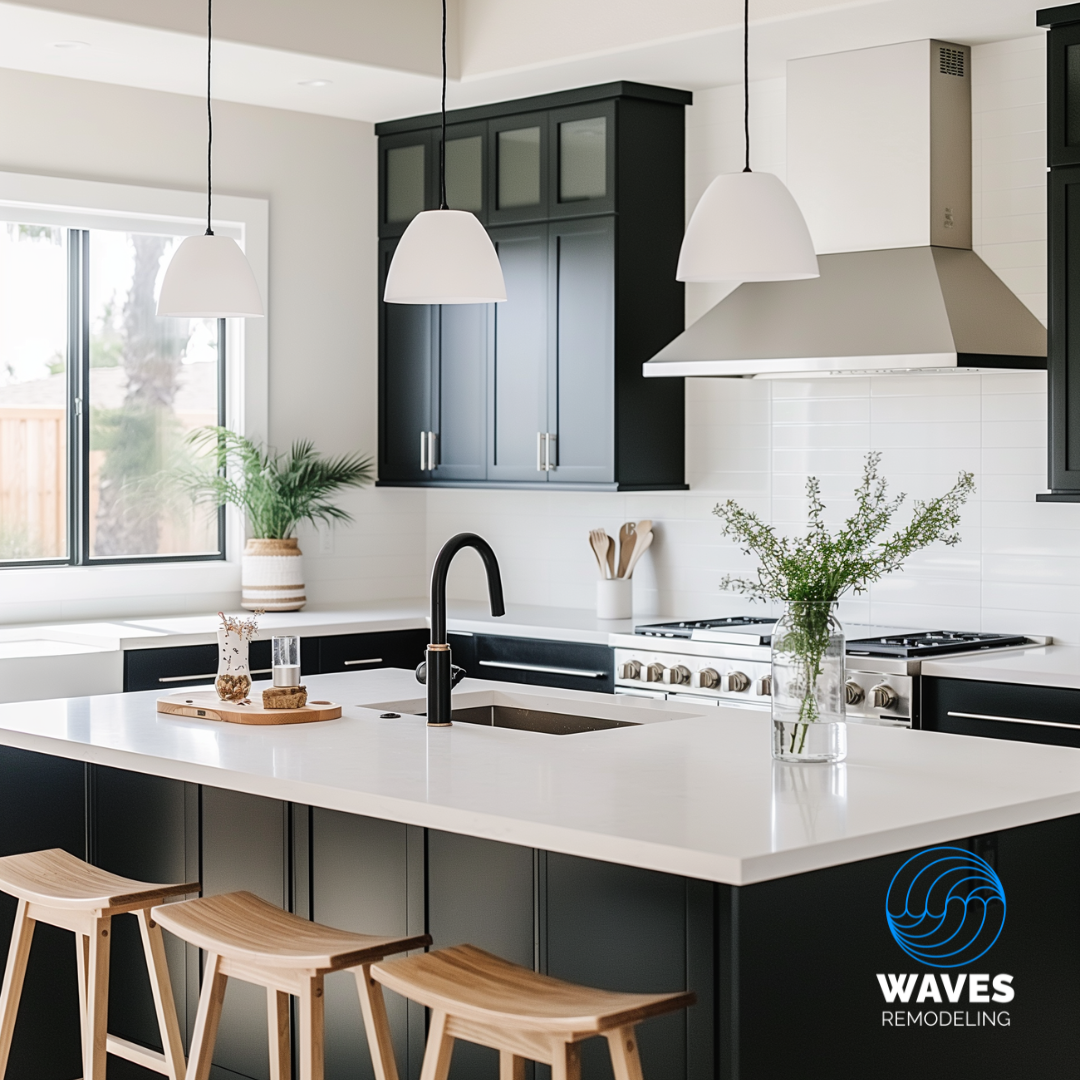
Kitchen Remodeling ROI: Which Upgrades Add the Most Home Value?
Almost everyone who calls us about a kitchen asks some version of the same question early on: is this going to be worth it?
It’s a fair thing to ask, and we’d rather give you the honest answer than the one that sells a bigger job.
Most of your return comes down to how you remodel, not how much you spend. A well-planned update to a dated kitchen usually gives back most or all of what it costs. A full tear-out with moved walls and top-of-the-line everything gives back a good deal less, though it can still be the right choice for the right home.
The national numbers line up with what we see on our own projects. A minor kitchen remodel recoups more than it costs at resale, and it’s the only interior project to land in the top five for return. Take it all the way to a high-end gut, and you’re usually looking at closer to a third of your money back. Neither number tells the whole story, though.
Key Takeaways
- A modest kitchen refresh gives back the most at resale, often all of what it cost. A high-end gut renovation returns far less, sometimes only about a third.
- A kitchen pays you back two ways: the money you recover at sale, and the years you spend using a room you like.
- Cabinets, counters, lighting, and appliances do the most for value. Personal or trend-driven choices tend to work against it.
- Spend in proportion to your home and the homes around you. Overbuilding for the neighborhood is one of the easier ways to lose money.
- More than any single finish, the return is protected by good planning, proper permits, and getting the work done right the first time.
What “Return on Investment” Means for Your Kitchen
Return on investment, or ROI, is just the share of your remodel cost you get back, usually when you sell. Spend $50,000, watch your home’s sale price rise by $50,000, and you’ve recovered 100%.
Resale is only half the picture, though. The other half never lands on an appraisal: the mornings, the dinners, the years of cooking in a kitchen that finally works. A kitchen upgrade earns one of the highest satisfaction scores of any project in the main national remodeling survey, and that payback arrives whether or not you ever sell.
Which half matters more depends on your timeline. If you’re selling within a year or so, we’d steer you toward the choices that protect resale value. If you’re planning to stay for years, it makes more sense to build the kitchen you’ll enjoy day to day and let the resale math matter a little less.
Why Some Kitchens Return More Than Others
Two kitchens on the same street rarely return the same amount. A few things decide where yours lands.
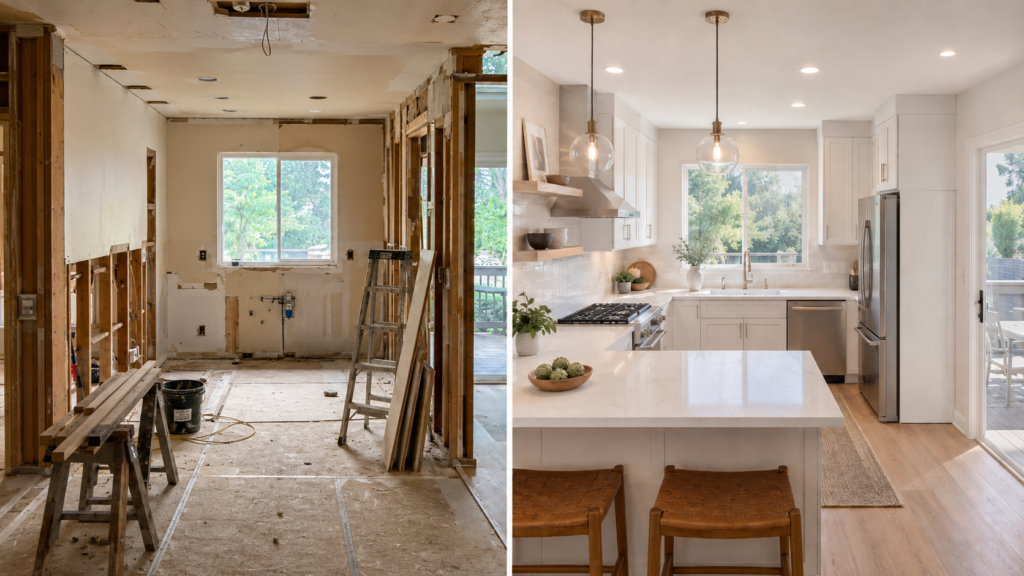
Scope: The less you rip out, the more of your money tends to come back. Keep the layout, plumbing, and electrical roughly where they are, and you skip the most expensive labor on the job.
The kitchen’s starting condition: Updating a worn-out kitchen from the ’80s does more for value than refreshing one that was already redone a few years ago. Buyers are paying for the jump from dated to current.
The neighborhood: A kitchen nicer than anything else on the street won’t pull a price to match. What buyers will pay is anchored to the area, not to what you spent.
Design choices: Neutral, lasting finishes appeal to the most buyers. Deep blue cabinets and hand-painted tile might be exactly your taste, but they thin out the group of people who’ll pay full price for them.
The quality of the work: Gaps in the cabinet runs and uneven tile tell a buyer that corners got cut, and they’ll knock the price down for it.
Where you live: Kitchens in California and along the West Coast sit in the strongest region in the country for remodeling return, which recently topped the national rankings for the first time in more than twenty years. Strong demand and high home values work in your favor here.
Minor, Major, or High-End: What Each One Gives Back
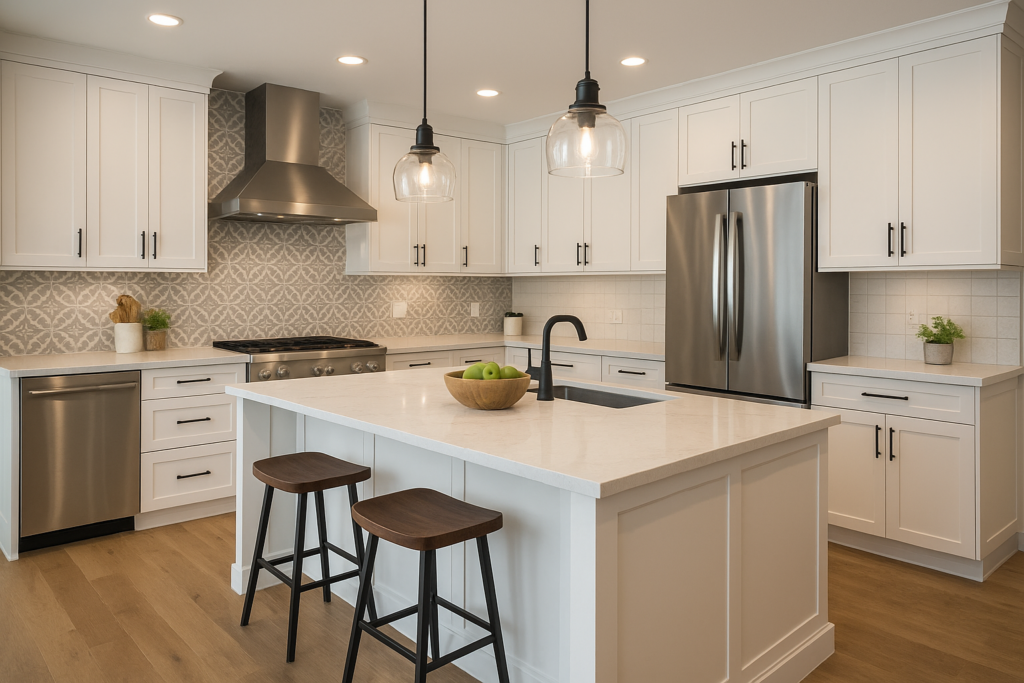
Most kitchen projects fall into one of three tiers, and the return generally shrinks as the project grows. Working out which one you’re after tells you a lot about what to expect. So, what to expect, really?
The Refresh (Minor Remodel)
You keep the footprint and the cabinet boxes, then update the parts people see and touch: new doors and hardware, fresh counters, a new sink and faucet, better lighting, a few current appliances, and paint. Because nothing structural moves, this scope holds onto the most value, and it often returns more than it costs. If you’re selling in the next few years, or your layout already works, this is usually where we point people first.
The Full Redo (Major Midrange Remodel)
Here you’re pulling the cabinets and replacing them, upgrading to quartz or stone counters, adding a full set of appliances and new flooring, and maybe adjusting the layout. It’s a bigger, more satisfying project, and the return tends to settle around half of what you put in. This one makes sense when you’re staying put and want the kitchen to work harder for your family, rather than as a pure resale move.
The High-End Gut (Major Upscale Remodel)
Custom cabinetry, professional-grade appliances, moved walls, relocated plumbing, high-end stone throughout. It’s a wonderful kitchen to live in, and at resale it hands back roughly a third, because much of that spend reflects your taste more than value the next buyer will pay for. We’d save this level for an upscale neighborhood or a home you plan to keep for a long time.
The bigger the project, the smaller the share you get back. A careful refresh beats a six-figure gut on return almost every time, so let that steer your scope more than the showroom does.
Which Kitchen Upgrades Add the Most Value?
Some upgrades come close to paying for themselves. Others buy comfort even more than resale value. Shall we compare the common ones? See the table below. We have prepared it specifically for this purpose:
| Upgrade | Typical Payback | What It Does for Resale | Best For |
|---|---|---|---|
| Cabinet refacing or repainting | High | Fresh fronts change the whole room for a fraction of full replacement | Sellers, tight budgets, sound existing boxes |
| Countertops (quartz, stone) | High | One of the first things a buyer notices and touches; reads as updated | Nearly every remodel, minor to major |
| Energy-efficient appliances | Solid | Newer, matching units feel move-in ready and trim utility bills | Kitchens with dated or mismatched appliances |
| Lighting (under-cabinet LED, layered fixtures) | Solid | Inexpensive to add, and it lifts both mood and function; helps in listing photos | Any kitchen that feels dim or flat |
| Hardware and faucet | High | A small spend that modernizes the cabinets and the sink area quickly | A fast pre-sale refresh |
| Backsplash | Solid | Adds finish and character while guarding the wall; keep it neutral | Refreshes that need a design anchor |
| Flooring | Solid | Pulls the room together; tired floors drag down everything above them | Kitchens with dated or damaged floors |
| Functional storage and layout tweaks | Personal-value | Pull-outs, deeper drawers, better flow; felt daily more than at sale | Long-term stays over quick flips |
Cabinets are the biggest single cost in most kitchens, and the easiest place for a budget to run away from you. Recent federal tariffs on imported cabinetry have nudged those prices up again, so refacing solid boxes, or going with a good domestic line, makes more sense now than it did a couple of years ago. When we plan a kitchen remodel with a client, most of the budget goes toward the pieces buyers pay for.
How Much Should You Spend on Kitchen Remodel?
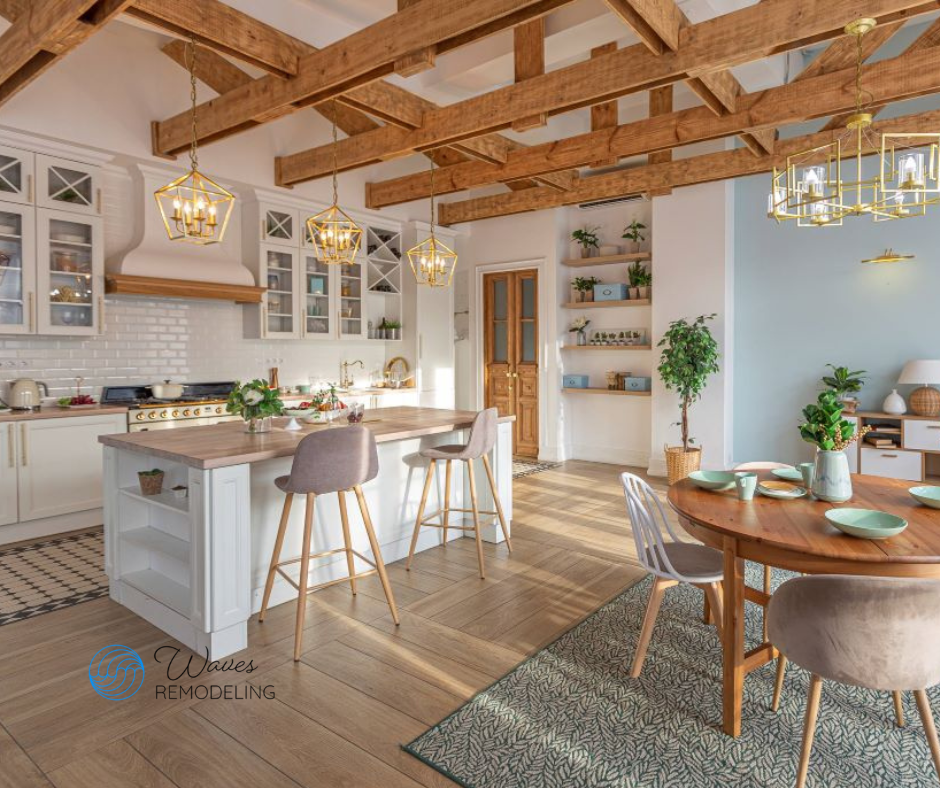
A rough rule keeps most people out of trouble: aim to keep the kitchen budget between 5 and 15% of what your home is worth today. Go much past that and you start over-improving, putting in money the sale won’t give back.
Say two neighbors own similar $900,000 homes. One spends $60,000 on a solid, well-built kitchen; the other spends $180,000 on imported everything. When both sell, the pricier kitchen won’t bring three times the bump.
The homes land in the same range, and the first owner kept more of their money.
Mistakes That Cost You Money
That’s important. Many avoidable slip-ups trip people up, over and over. We hope the list below will prevent you from throwing your money into a “Black Hole”:
- Making it too personal. Bold colors and unusual materials might thrill you, but they shrink the group of buyers who’ll pay for them. Keep the daring choices to things you can change out later without much cost.
- Moving plumbing and gas without a real reason. Relocating the sink or the range wall runs up labor fast and rarely comes back to you. Leave the layout alone unless it doesn’t work for how you live.
- DIY on the wrong things. Paint all you like. Electrical, gas, structural, or anything that needs a permit is a different story: bad work there fails inspection, worries buyers, and costs more to put right than it would have to hire out.
- Skipping permits. Unpermitted work has a way of turning up mid-sale, holding up the deal, and sometimes forcing open a finished wall. Proper permits protect the value you paid to build.
- Following whatever’s trending. The finish that’s everywhere right now is often the one a buyer will call dated in a few years. Neutral, classic choices age more slowly and appeal to more people.
- Not budgeting for surprises. Older homes tend to hide dry rot, old wiring, and out-of-date plumbing behind the walls. Leave room in the budget so a discovery doesn’t eat into your finishes.
- Forgetting the rest of the house. A stunning kitchen attached to a tired home reads as a mismatch, and buyers pick up on it right away.
Why Professional Planning Protects Your Return (What Good Planning Buys You)
A kitchen’s best shot at a strong return gets decided before anyone picks up a tool. That’s why we put so much into the planning.
Good planning earns its keep in the places where rushed, low-bid work falls apart. Catching a problem on paper is far cheaper than fixing it once the walls are open.
Permits pulled right, and work that meets California code, keep a future sale clean. Rules like Title 24’s high-efficacy lighting requirement aren’t optional, and we build them in from the start rather than running into them at inspection.
Seeing the kitchen before you commit to it helps too. We model the space in 3D so you can walk it, check whether the island is the right size, and move a wall on screen rather than regretting it once it’s framed. And because one team handles the design, the permits, and the construction, there are fewer seams for something to slip through, and one person you can call when a question comes up.
If you’d like to see how the whole thing fits together, we go deeper on the planning process behind a Bay Area kitchen remodel and the long-term value it protects. When a project runs beyond the kitchen, our whole-home remodeling work ties the rooms together so the house feels like one considered update rather than a patchwork.
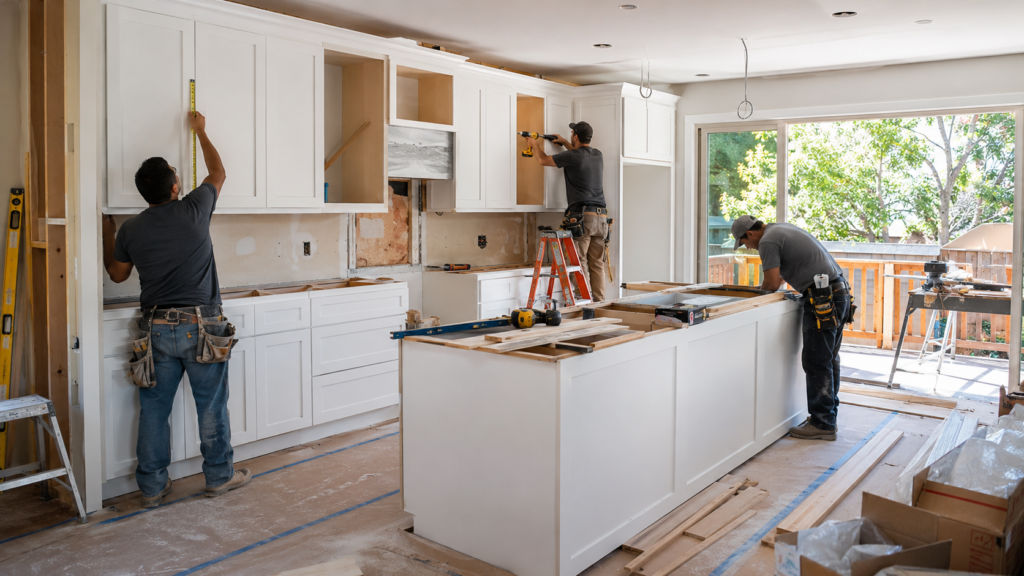
Ready to Talk It Through?
We’re a family-owned, licensed general contractor here in the Bay Area — California license #1068557, Class B — and every project we take on gets a dedicated project manager from the first sketch to the final walkthrough. That continuity is a big part of how a remodel stays on budget and holds the return you were counting on.
You don’t have to sort the trade-offs out alone. If you’re thinking about a kitchen and want an honest read on where your money will and won’t come back, we’re glad to sit down and walk through it with you: your home, your neighborhood, your budget, and the plan that fits.
Book a conversation with our team whenever you’re ready. The first one costs nothing but an hour of your time.
Frequently Asked Questions
Does a Kitchen Remodel Add Value?
It does, as long as the scope fits the house. Updating a dated kitchen delivers the clearest return; going lavish in a mid-market neighborhood is where people lose money.
Kitchen or Bathroom: Which Adds More Value?
Both pay off, and in each case the smaller, smarter version returns more than the grand one. We break the two down side by side in our guide to kitchen remodel vs. bathroom remodel. A well-judged kitchen update usually edges out the bathroom on resale.
How Much Should I Spend on a Kitchen Remodel?
We steer people toward 5 to 15% of the home’s current value. Spend beyond that and the extra rarely comes back when you sell.
Do Buyers Care About Energy-Efficient Appliances?
A lot of them do. Newer, matching, efficient appliances suggest a kitchen that’s been cared for, and they hint at smaller utility bills, both of which help a listing. In California there’s a compliance angle too, since up-to-date equipment keeps you on the right side of code.
Should I Knock Down a Wall to Open Up the Kitchen?
It can go either way. Taking out a non-load-bearing wall is often an affordable way to open things up. Once you’re moving a load-bearing wall, plumbing, or gas, the cost climbs quickly and rarely comes back at resale. Get a professional read before you decide.
How Long Before a Kitchen Remodel Pays Off?
Quickly, if you keep the scope tight: a minor remodel’s return shows up the moment you list. A bigger renovation pays you back mostly in the years you live there, so it rewards a long stay.
Ready to maximize your kitchen remodeling ROI?
Plan Smart. Remodel Right.
Increase Your Home’s Value.
The right upgrades and a well-planned design can make a significant difference in your home’s long-term value. Our team helps Bay Area homeowners create beautiful, functional kitchens that deliver the best return on investment.
Local Bay Area
Experts
Licensed, Bonded
& Insured
Quality Craftsmanship
That Lasts
More Remodeling Insights

How Long Does a Kitchen Remodel Really Take? A Bay Area Timeline Guide
How long does a kitchen remodel take? Most Bay Area homeowners expect four to six weeks. A full renovation runs three to five months…
Read More
Aging in Place Remodeling: Designing a Home for Long-Term Living
For many homeowners, the goal isn’t simply to stay in their home for a few more years—it’s to remain there comfortably and safely for…
Read More
Home Remodeling In The Bay Area: Complete Home Renovation Guide
📞 Book Now! (408) 637-6142 Home remodeling in the Bay Area allows homeowners to improve functionality, modernize living spaces, and increase long-term property value.…
Read More