
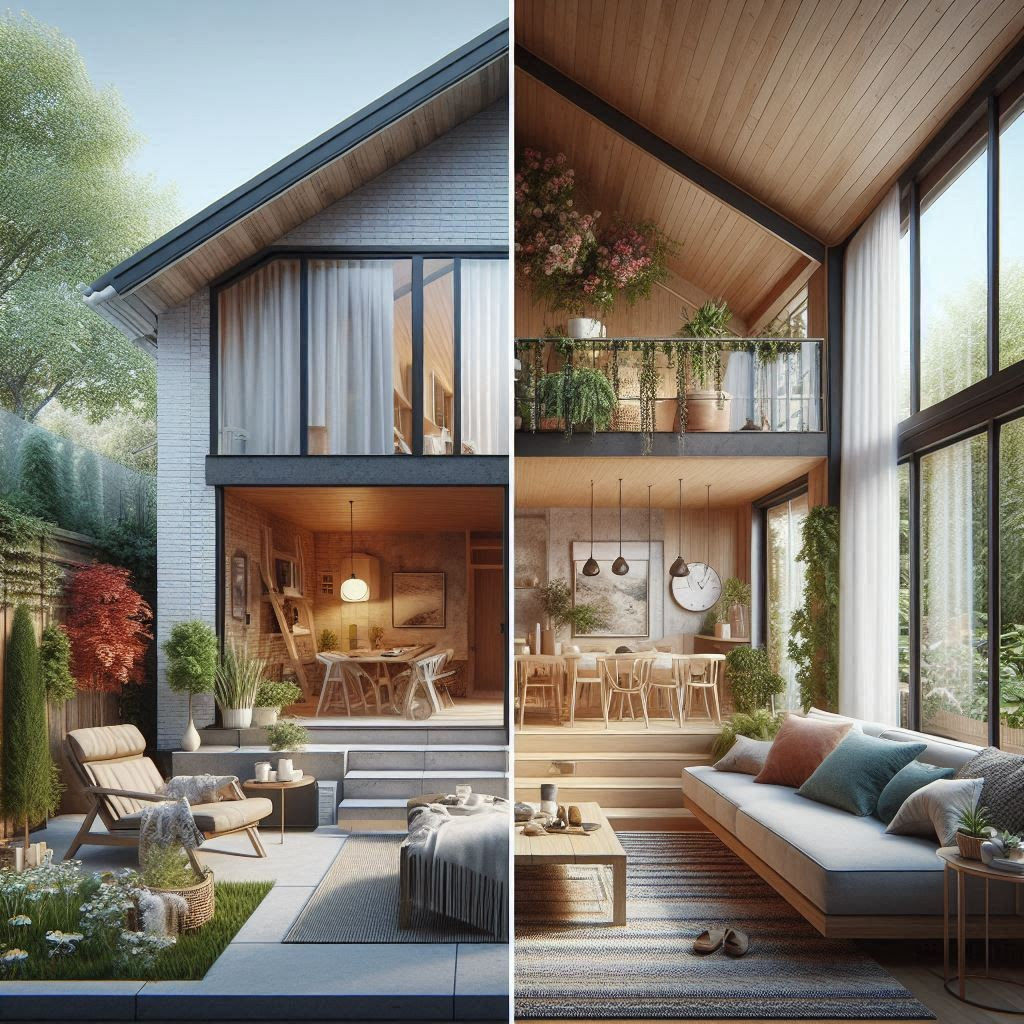
Expanding Your Home: A Guide to Adding a Room
Are you running out of space in your home? Whether you need an extra bedroom, a home office, or a larger living area, adding a room can be a great solution. A well-planned home…
Are you running out of space in your home? Whether you need an extra bedroom, a home office, or a larger living area, adding a room can be a great solution. A well-planned home addition not only enhances functionality but also increases property value.
In this guide, we’ll walk you through everything you need to know about adding a room to your home—from planning and budgeting to design and construction.
Why Add a Room to Your Home?
There are many reasons homeowners choose to expand their living space, including:
- Growing Family Needs: A new bedroom or playroom for your children.
- Home Office Space: More people are working remotely and need dedicated office space.
- Guest Accommodations: A guest bedroom provides a comfortable stay for visitors.
- Entertainment & Living Areas: Expand your living room or create a media room.
- Rental Opportunities: A separate suite can serve as a rental unit or Airbnb.
- Increased Home Value: Home additions can significantly boost resale value.
Planning Your Room Addition
A home addition is a major project, and proper planning is key to success. Here’s what to consider before getting started:
1. Define Your Needs and Goals
- What type of room are you adding?
- How will it blend with the existing layout?
- Do you need special features like plumbing, electrical work, or insulation?
2. Set a Realistic Budget
Costs vary depending on the size, materials, and design of the addition. Consider:
- Construction and labor costs
- Permits and zoning fees
- Interior finishes and furnishings
- Unexpected expenses (always plan for contingencies)
3. Understand Permits and Regulations
Most home additions require building permits. Local zoning laws may dictate:
- How large the addition can be
- Property line setbacks
- Structural and safety codes
4. Choose the Right Design
Your new space should complement your home’s existing style. Consider working with a designer or contractor to create a seamless flow between old and new areas.
Types of Room Additions
Depending on your home’s layout and needs, there are different ways to add a room:
1. Bump-Out Additions
A small extension of an existing room, such as adding a bay window or extending a kitchen.
2. Single-Room Additions
A full-sized room built onto the side of the house, such as a new bedroom or office.
3. Second-Story Additions
Expanding upward by adding a new floor can be a great solution for homes with limited yard space.
4. Garage Conversions
Turning an existing garage into a living space, such as an in-law suite or home gym.
Construction Process: What to Expect
Once you have a plan in place, here’s what the process typically looks like:
- Site Preparation – Clearing and prepping the area for construction.
- Foundation Work – Pouring concrete or extending an existing foundation.
- Framing & Structural Build – Constructing walls, roofing, and support beams.
- Plumbing & Electrical – Running new wiring, plumbing, and HVAC if needed.
- Insulation & Drywall – Making the space energy-efficient and ready for finishing.
- Flooring & Finishes – Adding final details like flooring, paint, and fixtures.
Final Thoughts
Adding a room to your home is an exciting investment that enhances your lifestyle while increasing property value. With the right planning, budget, and team of professionals, your dream space can become a reality.
Ready to expand your home? Contact Waves Remodeling today!
#WavesRemodeling #HomeAddition #RoomAddition #BayAreaRemodeling #HomeImprovement #CustomHomeRemodel #HomeUpgrades #RenovationExperts #DreamHomeRenovation #HomeDesign #QualityRemodeling #TrustedContractor
More Remodeling Insights
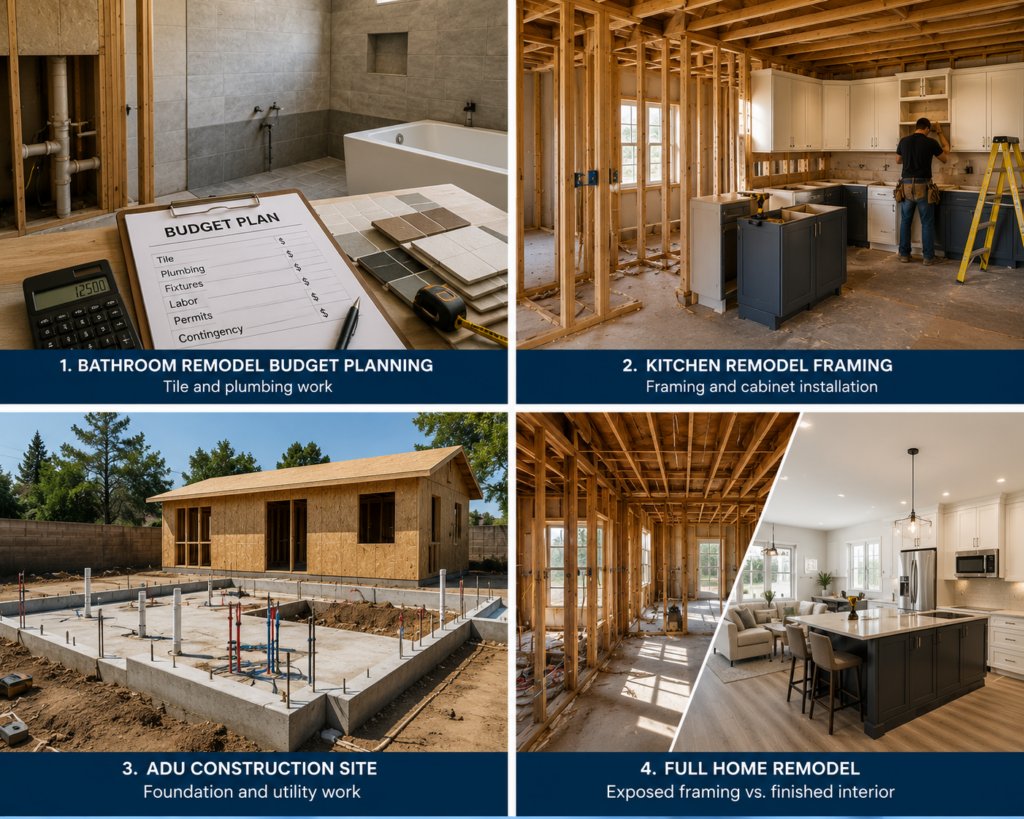
How to Budget for a Remodel in the Bay Area: Real Numbers, Planning, and Cost Breakdown
📞 Book Now! (408) 637-6142 Most remodeling budgets fail long before construction starts. Not because homeowners underestimate finishes or labor—but because they build a…
Read More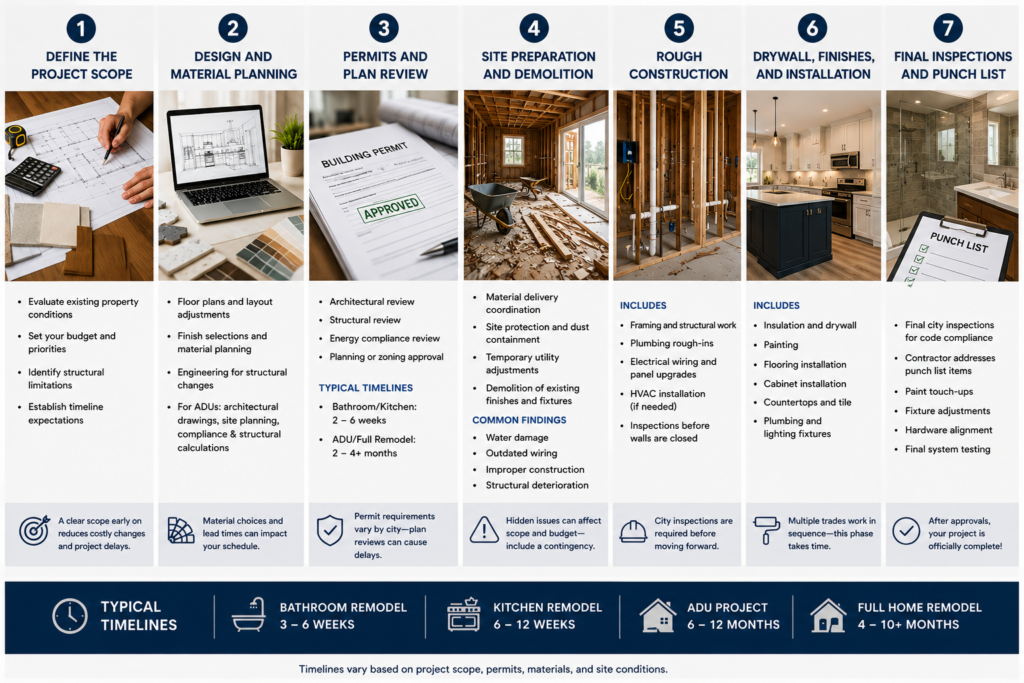
Step-by-Step Home Remodeling Process in the Bay Area: Permits, Timeline, and What to Expect
📞 Book Now! (408) 637-6142 Most homeowners focus on design ideas and budget first, but the actual remodeling process determines how smoothly a project…
Read More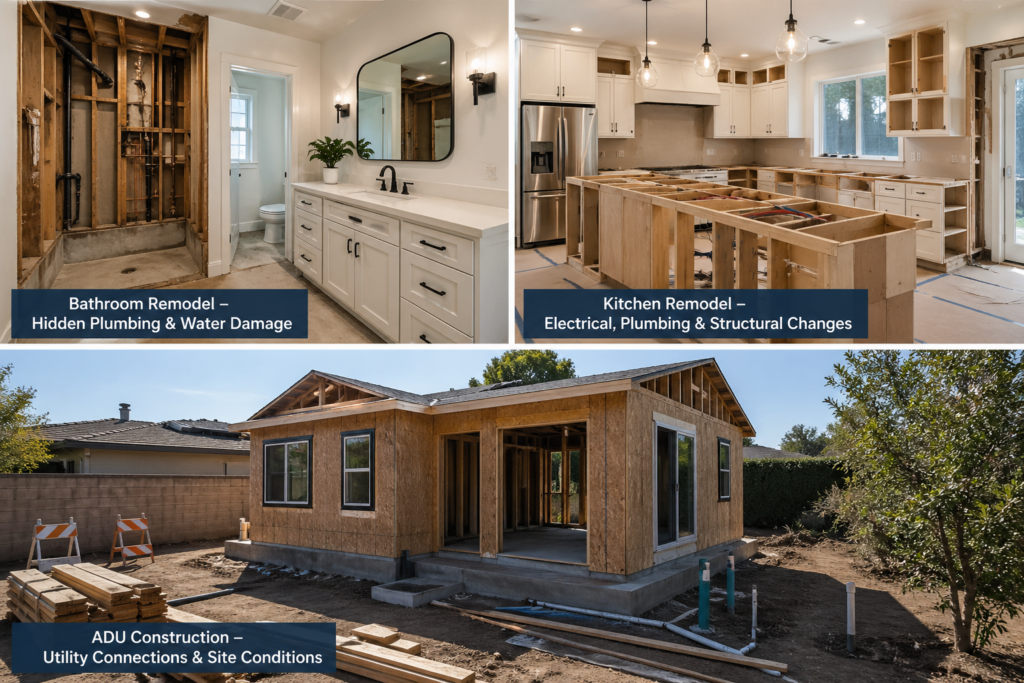
Hidden Costs in Home Remodeling: Bathroom, Kitchen, ADU & Full Remodel Budget Guide
📞 Book Now! (408) 637-6142 Understanding bathroom kitchen ADU remodel cost is important—but many homeowners underestimate the hidden costs in home remodeling that can…
Read More