
Step-by-Step Home Remodeling Process in the Bay Area: Permits, Timeline, and What to Expect
📞 Book Now! (408) 637-6142 Most homeowners focus on design ideas and budget first, but the actual remodeling process determines how smoothly a project moves from concept to completion. In the Bay Area, remodeling…
📞 Book Now! (408) 637-6142
Most homeowners focus on design ideas and budget first, but the actual remodeling process determines how smoothly a project moves from concept to completion.
In the Bay Area, remodeling projects involve more than construction alone. Permits, inspections, engineering, material lead times, and existing site conditions all affect the schedule and overall experience. Understanding the sequence of work ahead of time helps homeowners prepare for realistic timelines, minimize disruptions, and make more informed decisions throughout the project.
This guide outlines the major phases of a bathroom remodel, kitchen renovation, ADU project, or full home remodel—from planning and permits through final inspections.
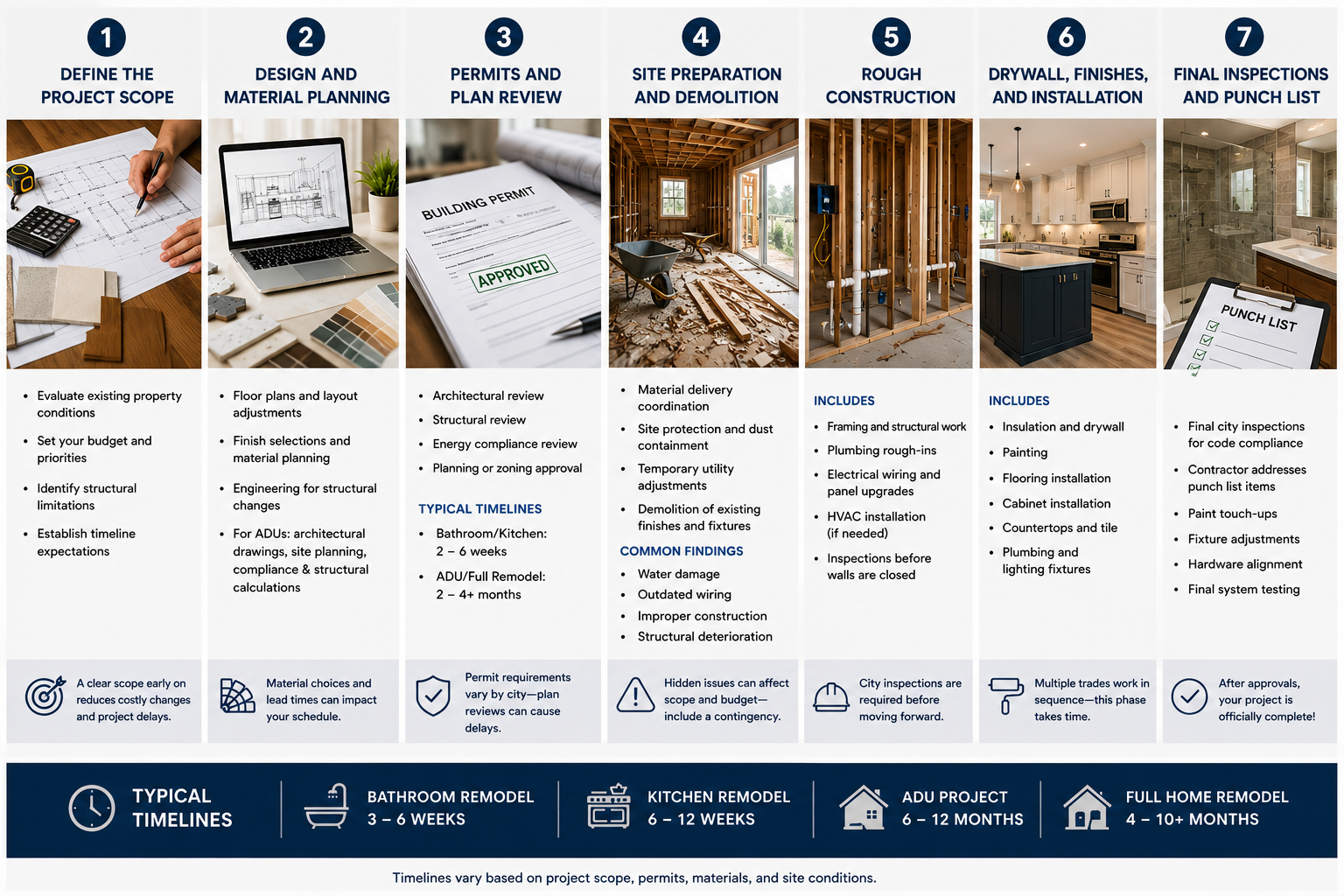
Step 1: Define the Project Scope
The first phase focuses on identifying exactly what the project needs to accomplish.
For some homeowners, that may mean improving functionality or updating an outdated layout. Others may prioritize creating additional living space, increasing long-term property value, or building an ADU for future rental income.
At this stage, the project team typically evaluates:
- Existing property conditions
- Budget range and priorities
- Structural limitations
- Timeline expectations
A clear scope early on reduces mid-project design changes, which are one of the most common causes of delays and added cost.
Step 2: Design and Material Planning
Once the scope is established, design development begins.
This phase includes floor plans, layout adjustments, finish selections, and engineering if structural modifications are involved. Kitchens and full remodels often require detailed planning around wall removal, lighting placement, ventilation, and circulation between rooms.
For ADUs, this stage typically includes:
- Architectural drawings
- Site planning
- Energy compliance requirements
- Structural calculations
Material decisions made during design also affect the construction schedule. Custom cabinetry, windows, tile, and appliances can carry long lead times.
Step 3: Permits and Plan Review
Permitting is one of the longest and most unpredictable parts of the home remodeling process in California.
Depending on the city and project scope, plans may go through:
- Architectural review
- Structural review
- Energy compliance review
- Planning or zoning approval
Typical permit timelines:
- Bathroom or kitchen remodel: 2–6 weeks
- ADU or full remodel: 2–4+ months
Incomplete plans or revisions requested by the city can extend the process significantly.
Permit requirements also vary across San Jose, San Francisco, and Peninsula jurisdictions, especially for ADUs and structural changes.
Step 4: Site Preparation and Demolition
Once permits are approved, construction preparation begins.
This phase usually includes:
- Material delivery coordination
- Site protection and dust containment
- Temporary utility adjustments
- Demolition of existing finishes and fixtures
Demolition is also when hidden conditions are often discovered for the first time.
Common findings include:
- Water damage behind showers or windows
- Outdated electrical wiring
- Improper past construction
- Structural deterioration
These discoveries are one reason remodeling projects should include a contingency budget.
Step 5: Rough Construction
After demolition, the project moves into framing, plumbing, electrical, and HVAC work.
For kitchen remodels and full renovations, this may involve:
- Removing or reframing walls
- Relocating plumbing lines
- Electrical panel upgrades
- New recessed lighting layouts
ADU projects move through full structural construction during this phase, including:
- Foundation work
- Framing
- Roofing
- Utility rough-ins
City inspections are required before walls can be closed.
Step 6: Drywall, Finishes, and Installation
Once rough inspections pass, the project shifts into finish work.
This stage includes:
- Insulation and drywall
- Painting
- Flooring installation
- Cabinet installation
- Countertops and tile
- Plumbing and lighting fixtures
At this point, the project becomes visually complete, although final adjustments and inspections still remain.
Finish phases often move more slowly than expected because multiple trades must work in sequence.
Step 7: Final Inspections and Punch List
Before completion, the city performs final inspections to verify code compliance.
The contractor also addresses punch list items such as:
- Paint touch-ups
- Fixture adjustments
- Hardware alignment
- Final system testing
Only after approvals are completed can the project officially close out.
Typical Remodeling Timelines
While every project differs, general construction timelines are:
- Bathroom Remodel: 3–6 weeks
- Kitchen Remodel: 6–12 weeks
- ADU: 6–12 months
- Full Remodel: 4–10+ months
The largest schedule variables are usually permits, inspections, and material availability—not labor alone.
Common Causes of Delays
Most remodeling delays come from a small number of recurring issues:
Permit Revisions
City correction requests can extend approval timelines.
Material Lead Times
Custom cabinetry, windows, appliances, and specialty tile often arrive later than expected.
Hidden Existing Conditions
Older homes frequently reveal plumbing, framing, or electrical issues once walls are opened.
Mid-Project Scope Changes
Changing layouts or finish selections during construction almost always affects schedule and cost.
What Homeowners Should Prepare For
Even well-organized remodels create temporary disruption.
Depending on the project, homeowners may experience:
- Limited kitchen or bathroom access
- Noise and dust during demolition
- Inspection scheduling pauses
- Material delivery coordination
Projects move more efficiently when selections, layouts, and budgets are finalized before construction begins.
Common Questions
How long does the remodeling process usually take?
Bathroom remodels may take several weeks, while ADUs and full remodels often take several months due to permits and construction complexity.
Do all remodels require permits?
Most kitchen remodels, ADUs, and full renovations require permits. Bathroom permit requirements vary depending on plumbing, electrical, and structural changes.
Why do remodeling costs increase during construction?
Unexpected structural issues, outdated systems, and scope changes are the most common reasons budgets increase mid-project.
What helps projects stay on schedule?
Detailed planning, complete permit drawings, early material ordering, and consistent communication all reduce delays.
The remodeling process involves much more than construction alone. Planning, permitting, inspections, sequencing, and coordination all affect how efficiently a project moves forward.
Understanding the phases ahead of time helps homeowners make better decisions, set realistic expectations, and reduce avoidable delays during bathroom remodels, kitchen renovations, ADUs, and full home remodels.
Waves Remodeling manages projects throughout the Bay Area with an emphasis on organization, communication, and construction quality from planning through completion.
📩 Start your project: https://wavesremodelingca.com/contact-us
📊 See client experiences: https://wavesremodelingca.com/testimonials
📞 Book Now! (408) 637-6142
Waves Remodeling is a Diamond Certified Bay Area construction and remodeling company specializing in high-end residential renovations, ADUs, and full-scale home transformations. With years of hands-on experience, the team focuses on quality execution, clear communication, and long-term value.
More Remodeling Insights
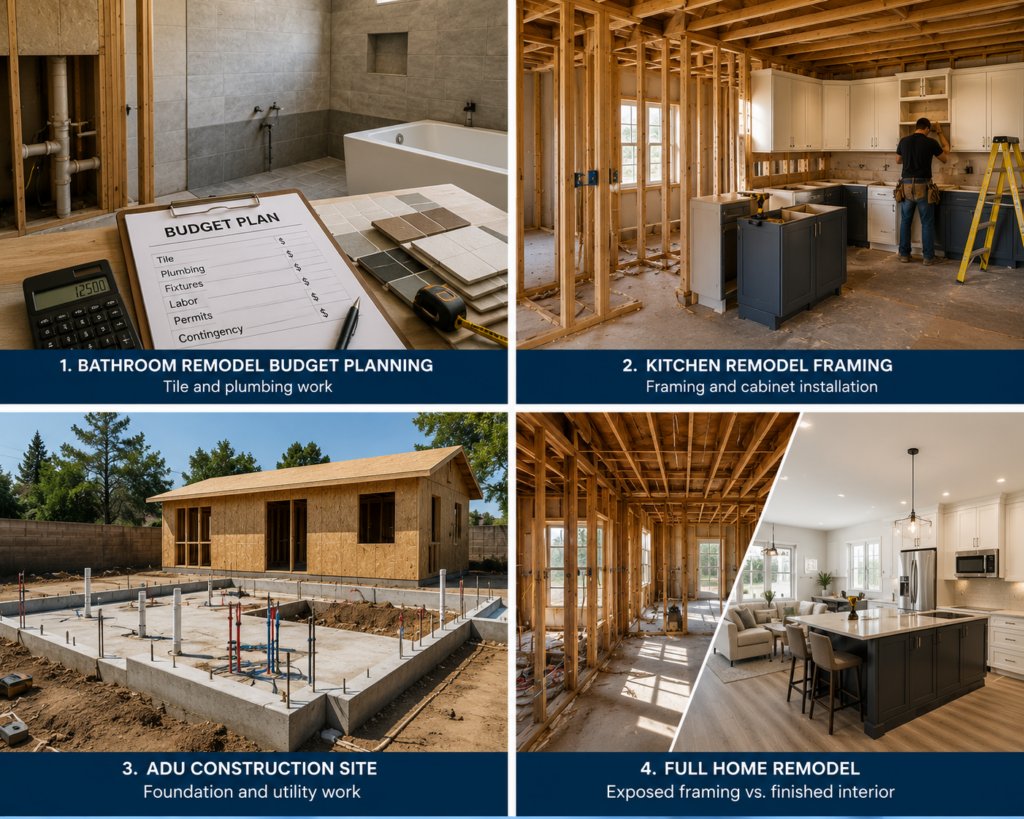
How to Budget for a Remodel in the Bay Area: Real Numbers, Planning, and Cost Breakdown
📞 Book Now! (408) 637-6142 Most remodeling budgets fail long before construction starts. Not because homeowners underestimate finishes or labor—but because they build a…
Read More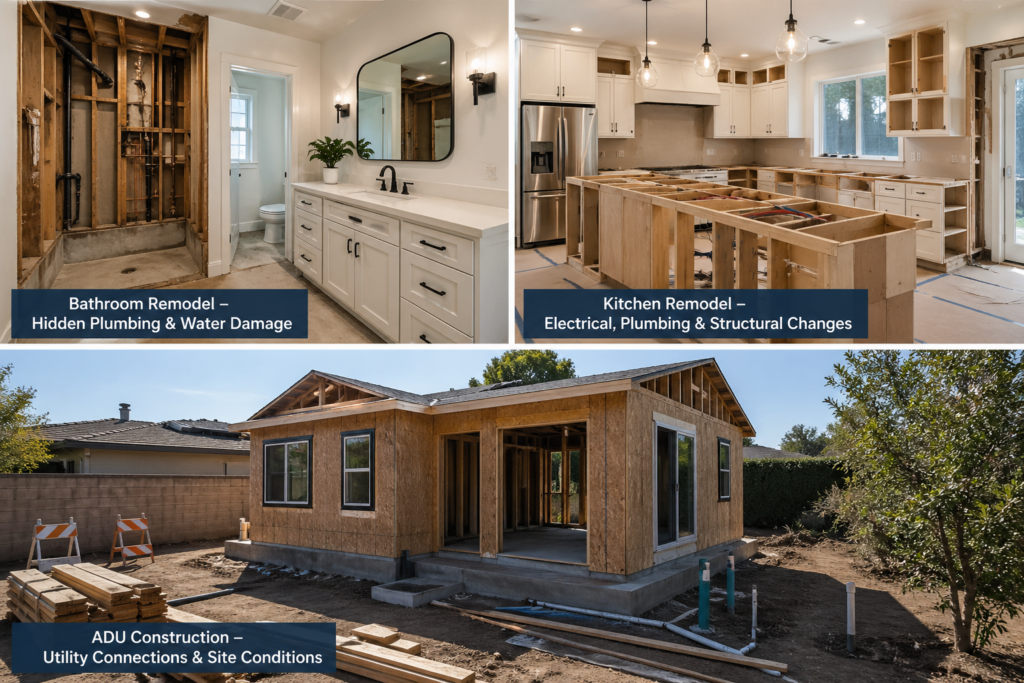
Hidden Costs in Home Remodeling: Bathroom, Kitchen, ADU & Full Remodel Budget Guide
📞 Book Now! (408) 637-6142 Understanding bathroom kitchen ADU remodel cost is important—but many homeowners underestimate the hidden costs in home remodeling that can…
Read More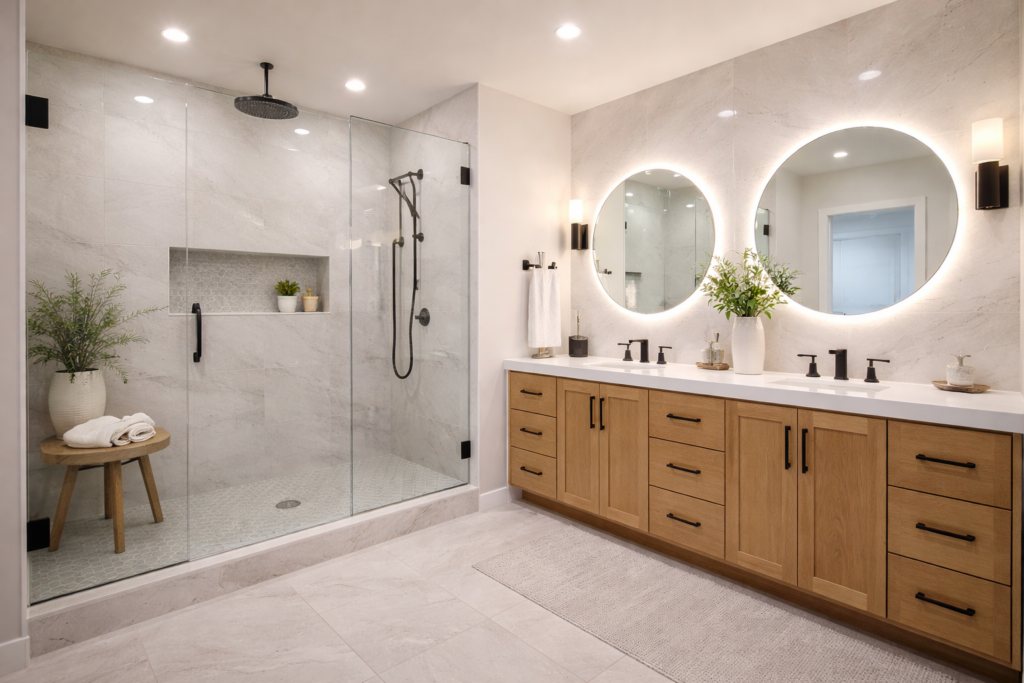
Bathroom, Kitchen, ADU & Full Remodel: Scope, Costs, and What to Expect
📞 Book Now! (408) 637-6142 Home remodeling projects can range from targeted upgrades—like a bathroom or kitchen—to larger investments such as an ADU or…
Read More